✦ How Our Program Works ✦
How Our Program Works
Your experience at Sanctuary Clinics Cozumel — from Admissions to Aftercare — will be different from most treatment programs people have encountered. Sanctuary Cozumel is different.
Begin the journey✦ How Our Program Works ✦
Your experience at Sanctuary Clinics Cozumel — from Admissions to Aftercare — will be different from most treatment programs people have encountered. Sanctuary Cozumel is different.
Begin the journeySanctuary Clinics Cozumel uses a three-step admissions process designed to make the beginning clear, simple, and personal. Each step is meant to reduce confusion, answer practical questions, and prepare the team well before arrival.
Once a patient and their family choose Sanctuary Cozumel as their healing destination, the first step is to provide basic contact information: the patient's name, date of birth, phone number, and email, along with the name, phone number, and email of a point of contact. At that stage, the patient also decides whether they want a shared room or a private room, and whether they are coming for a seven-day detox, a 30-day treatment stay, or a three-month discipleship program.
Once that information is received, the reservation is made. Admissions documents are then sent by email, including the rules of the community, what to bring and what not to bring, and the practical details needed before arrival. Those documents are signed by the client through DocuSign and returned to Sanctuary.
After the signed documents are received, the team schedules a phone evaluation with someone from the psychiatric team. This conversation usually lasts about 30 minutes and helps the team understand where the patient is in the healing journey before arrival. That allows Sanctuary to prepare the right medications, the right primary therapist, the right roommate when a shared room is chosen, and an initial treatment protocol for the first few days until the team can make further observations in person.
Cozumel was chosen in part because it is one of the most accessible destinations in the world. There are frequent flights into Cancún and Cozumel from many parts of the globe, and many clients are able to find inexpensive and reasonably direct routes from where they live.
The Sanctuary team helps with travel arrangements for those who need support. For clients who still need travel documents such as passports, assistance is available in navigating that process as quickly as possible. The goal is to remove practical barriers so people can focus on getting here.
Clients flying directly into Cozumel are picked up at the Cozumel airport, which is only about five minutes from the clinic. They are brought first to the clinic for registration and admission, and then taken to the residence, which is only a short walk away.
For clients flying into Cancún, the team provides direction for the bus and ferry route through Playa del Carmen to Cozumel. Once they arrive at the Cozumel ferry terminal, Sanctuary arranges pickup there as well, which again is only a few minutes from the clinic.
When clients arrive, they are registered and admitted at the clinic and then taken to the residence. By that point, the team has already prepared for the basics of their stay: room placement, initial medication planning, therapist assignment, and the first-stage treatment protocol.
The point of this process is not bureaucracy. It is preparation. The more thoughtfully the first steps are handled, the more settled, safe, and ready a client can feel when treatment begins.
At Sanctuary Clinics, healing and hope are pursued in the context of loving, authentic Christian community. This is a community that practices mental health and recovery together, not merely one that talks about it.
Many members of the clinical and support team live and work in close daily rhythm with patients. The pathway to health and wholeness is not a solitary trek, but a shared journey. The support, encouragement, and accountability of loving relationships are of great value in the healing process.
That is the heart of how Sanctuary works.
Life at Sanctuary Cozumel is built around a daily rhythm that gives enough structure for real recovery work, while still leaving room to breathe, reflect, and rest. The schedule is active, but it is not chaotic. It is meant to help clients regain steadiness.
| Activity | Time |
|---|---|
| Breakfast and medication pass | 8:00 – 9:00 AM |
| Chapel and first group | 9:00 – 10:30 AM |
| Break | 10:30 – 11:00 AM |
| Second group | 11:00 AM – 12:30 PM |
| Lunch | 12:30 – 1:00 PM |
| Third group | 1:00 – 2:30 PM |
| Free time | 2:30 – 5:00 PM |
| Dinner | 5:00 PM |
| Evening group | 6:00 – 7:00 PM |
| Free time | 7:30 – 10:00 PM |
Saturday is generally reserved for special excursions and a wider change of pace. It gives clients space to enjoy the island in a structured, restorative way while continuing the broader process of recovery.
Sunday is Sabbath. Clients attend church in the morning, and the afternoon is open for rest, reflection, and enjoying free time.
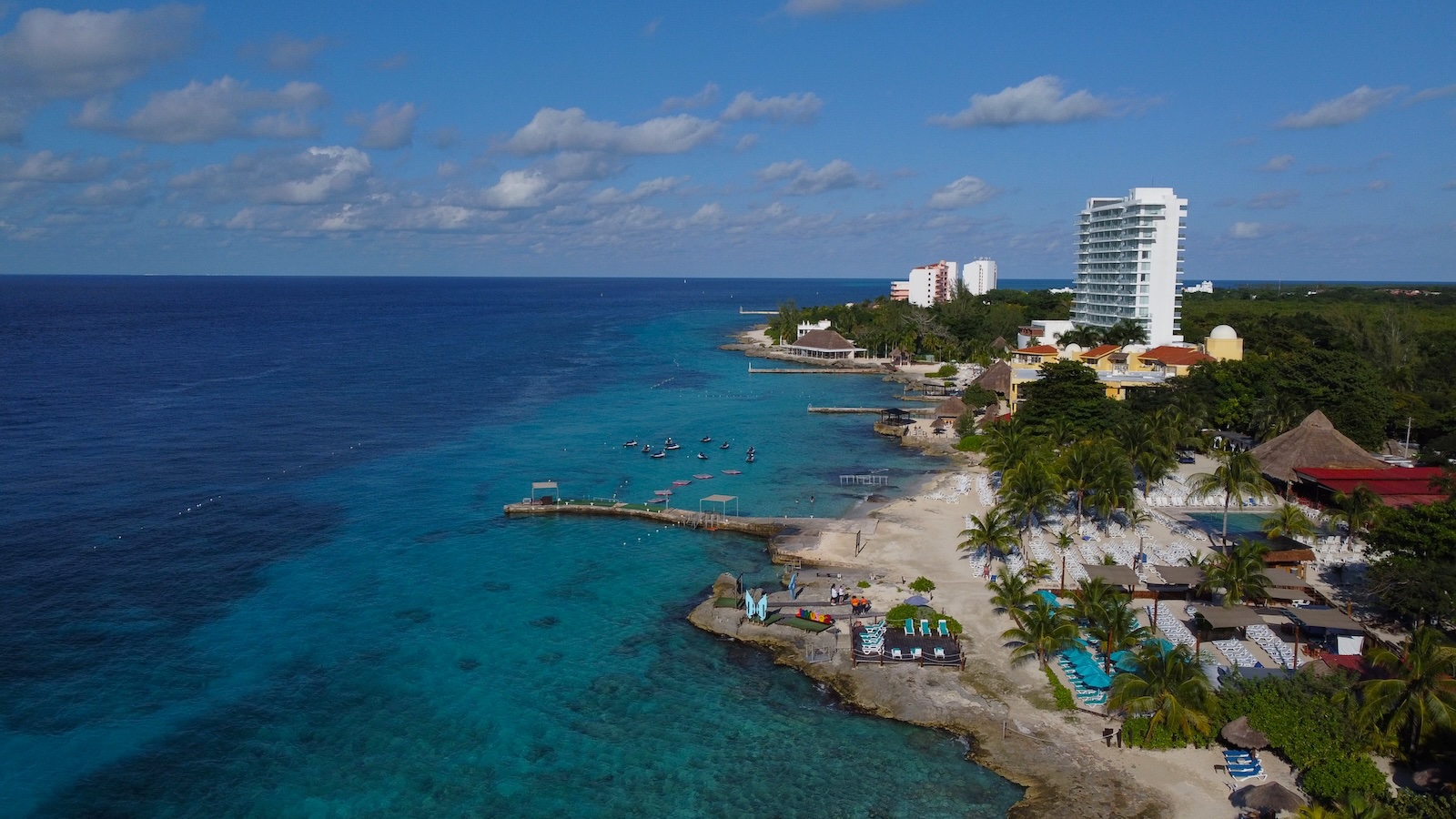
During free time, clients may take a walk on the boardwalk, go to the beach, go to the gym, do some light shopping, or join one of the smaller excursions available in Cozumel. Activities on the island can include snorkeling, ATV rides, horseback riding, scuba diving, fishing, and visits to local attractions.
Successful treatment of substance use disorder, dual diagnosis, or mental health conditions relies on a continuum of care that extends beyond time spent on campus.
At Sanctuary, care continues through Aftercare Services, the Alumni Community, and Forever Aftercare. That means support, guidance, and assistance do not stop when licensed treatment ends. The goal is not simply to help someone get through a stay, but to help them continue building a healthier life once they return home.
This is our community. That is the Sanctuary promise.The Sanctuary Promise
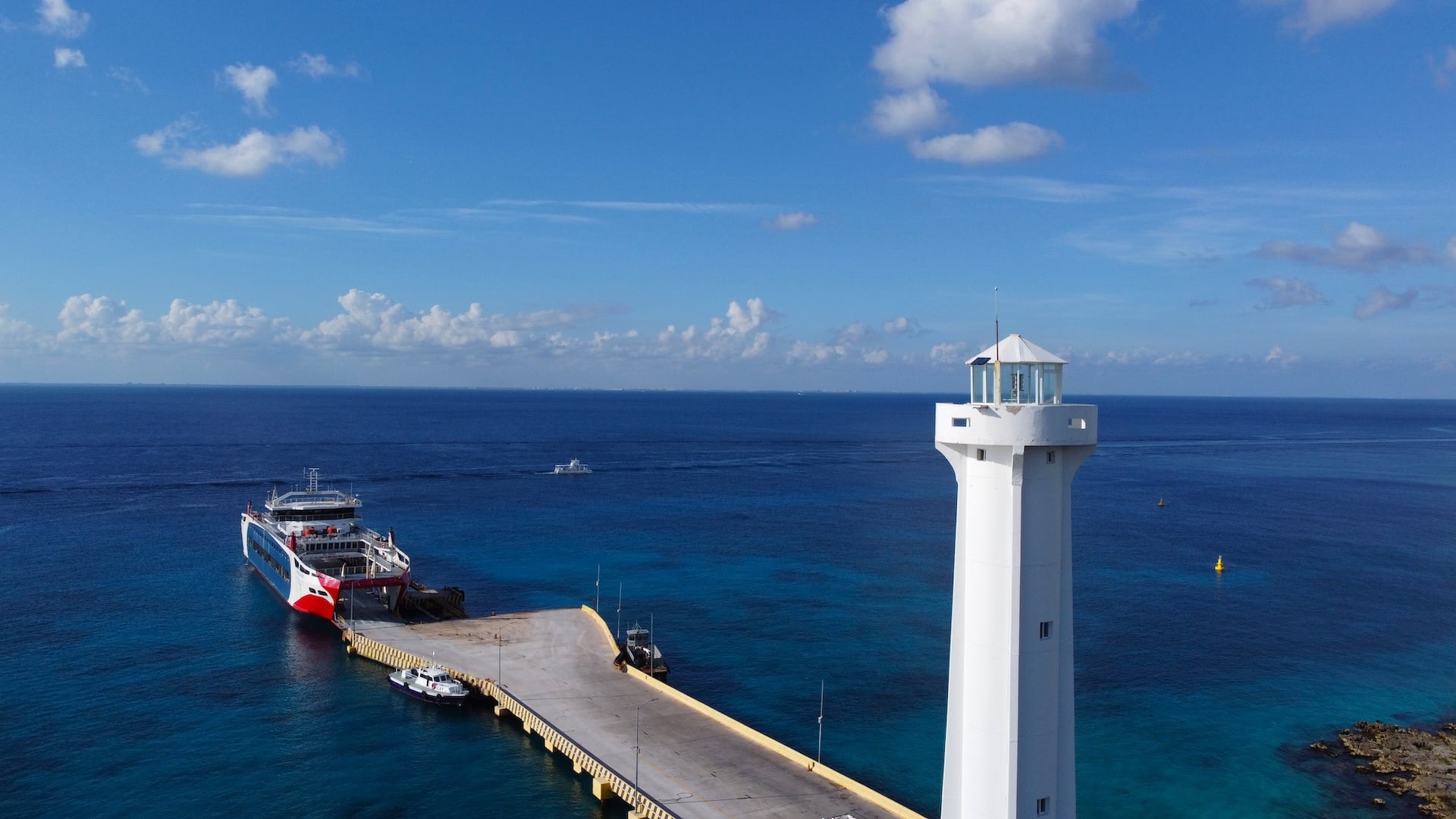
One of the advantages of completing recovery treatment in a beautiful tropical destination is that family and friends often want to come and visit. For some clients, that becomes a meaningful part of the process.
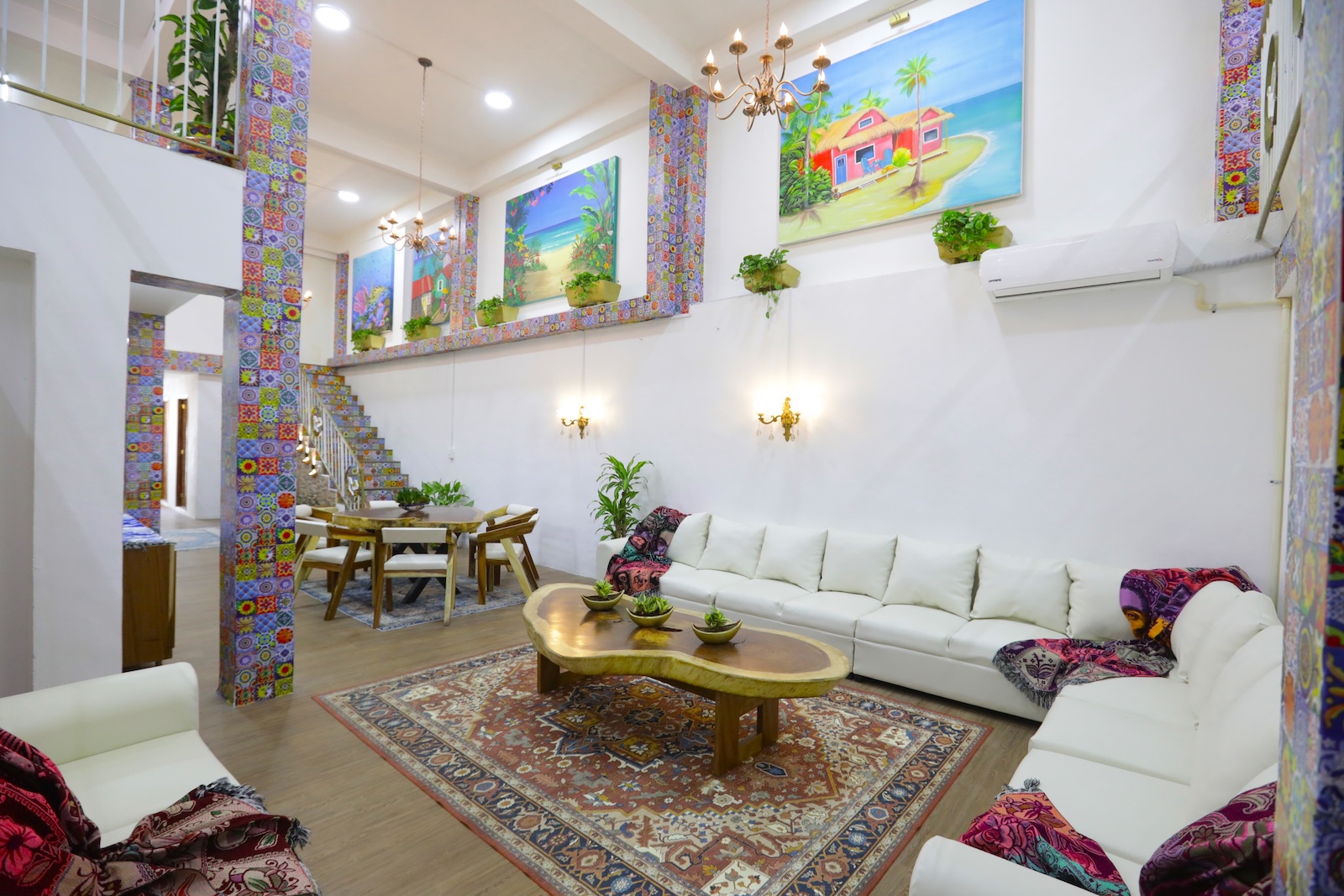
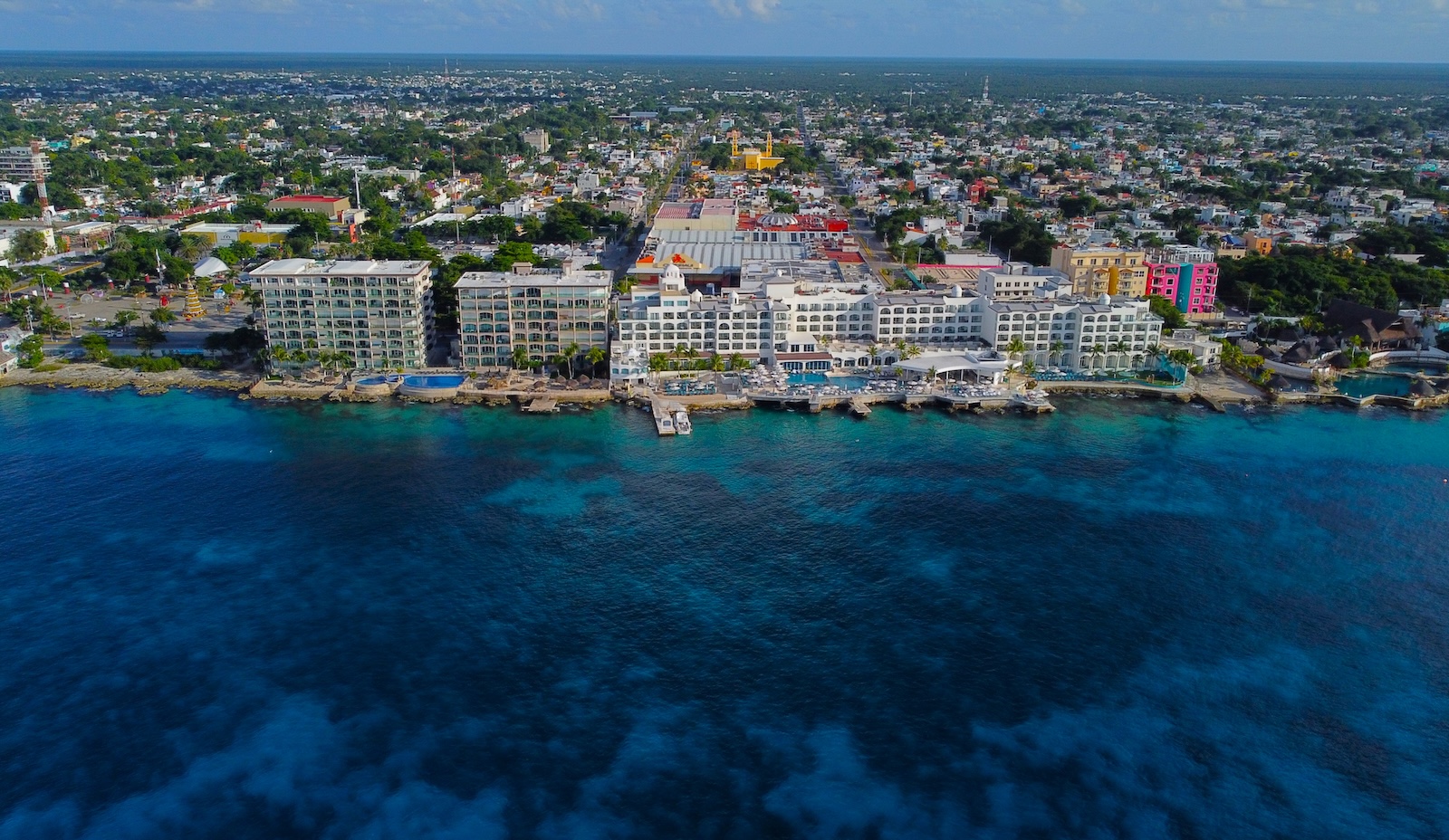
Clients in private rooms may invite a spouse to come and spend time with them while they are in treatment. In addition, there are a number of nearby bed-and-breakfasts and hotels surrounding the clinic where family members and loved ones can stay for a weekend or a longer visit.
Recovery still remains the focus, but the setting makes it possible for loved ones to remain near, encourage the process, and share in some part of the journey.

Reach out to speak with one of Sanctuary's admissions representatives. Questions about the program, the community, the cost, travel, or what coming to Cozumel might look like for a patient or loved one can all be answered in that first conversation.
Every healing journey starts with a single conversation.